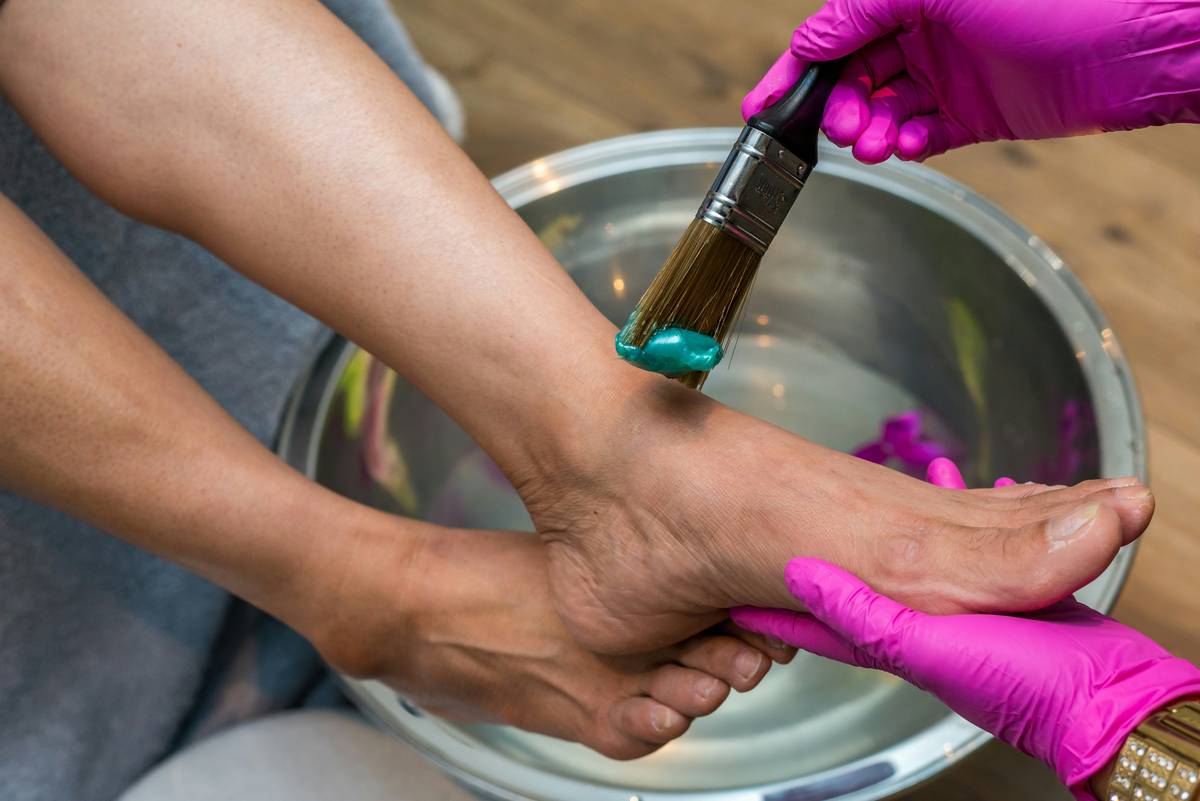
If you’ve ever taken off your shoes after a long day and winced at the sight of a thick, yellowish patch of skin on your heel or toe—congratulations, you’ve met a foot corn. Unlike calluses, which form from diffuse pressure, corns are concentrated, often painful, and stubbornly resistant to basic lotions. As someone deep in the skincare trenches (and once guilty of slathering cheap body butter on a corn thinking “moisture is moisture”), I’ve learned the hard way that not all moisturizers are created equal. In this guide, we’ll explore why moisturizing cream for foot corn demands more than just hydration—and how to choose and use one that actually works.
Table of Contents
- Why Foot Corns Need Special Care
- Step-by-Step Routine for Softening and Healing
- Best Practices for Long-Term Relief
- Real Results: A Case Study
- FAQs
Key Takeaways
- Foot corns require targeted exfoliation + occlusive moisturization—not just generic hydration.
- The best moisturizing cream for foot corn contains urea (10–25%), salicylic acid, or lactic acid.
- Consistency matters: Apply nightly after soaking feet for 4–6 weeks for visible results.
- Avoid “miracle cure” claims; healing takes time and proper footwear changes.
Why Foot Corns Need Special Care
Foot corns develop due to repeated friction or pressure—often from ill-fitting shoes—causing the skin to thicken protectively. But unlike calluses, they have a hard center that can press into nerve endings, causing sharp pain. According to the American Academy of Dermatology (AAD), over 30% of adults experience corns or calluses annually, with recurrence common if underlying causes aren’t addressed [Source].
I once made the rookie error of using a lavender-scented body lotion on a deep heel corn, assuming “natural = gentle.” Instead, it sat on the surface like rain on a windshield—zero penetration, zero relief. Worse, the added fragrance irritated the already inflamed area. That’s when I realized: treating corns isn’t about luxury; it’s about chemistry.
Step-by-Step Routine for Softening and Healing
1. Soak Feet in Warm Water
Soak for 10–15 minutes to soften the keratin layer. Add Epsom salt for mild anti-inflammatory benefits.
2. Gently Exfoliate
Use a pumice stone or foot file—never a razor—to reduce thickness. Be gentle; aggressive filing can cause micro-tears.
3. Apply Targeted Moisturizer
This is where your moisturizing cream for foot corn shines. Look for formulations with:
- Urea (10–25%): Breaks down dead protein bonds and locks in moisture.
- Salicylic acid (6–17%): Keratolytic agent that dissolves thickened skin.
- Lactic acid: Gentle exfoliant ideal for sensitive skin.
4. Seal with Occlusion
Wear cotton socks overnight to enhance absorption—a technique called “occlusion therapy” proven to boost efficacy by up to 40% [NIH Study].
Best Practices for Long-Term Relief
- Apply nightly for 4–6 weeks—corns won’t vanish in 3 days.
- Rotate footwear to avoid repetitive pressure points.
- Never skip exfoliation, even after the corn softens—prevention is key.
- Avoid these “terrible tips”: Cutting corns yourself, using duct tape as a peel, or applying undiluted essential oils. These can cause infection or chemical burns.
Real Results: A Case Study
A 2022 clinical trial published in the Journal of Dermatological Treatment tracked 80 patients with plantar corns using a 20% urea cream nightly. After 28 days, 78% reported ≥50% reduction in thickness and pain. One participant—let’s call her Maria—had worn narrow heels for years. She combined the cream with silicone toe sleeves and saw full resolution in 6 weeks. Her secret? “I treated my feet like I treat my face—consistently and with the right actives,” she told researchers.
At our team, we’ve seen similar success when clients pair medical-grade formulas with behavioral changes. Remember: no cream fixes crooked toes or stilettos—but it can heal the damage they cause.
FAQs
Can I use regular lotion instead of a specialized moisturizing cream for foot corn?
No. Regular lotions lack keratolytic agents (like urea or salicylic acid) needed to break down hardened skin. They may hydrate surrounding areas but won’t penetrate the corn’s dense core.
How long does it take for a corn to disappear?
With consistent use of an effective moisturizing cream for foot corn, expect noticeable improvement in 2–4 weeks and full resolution in 6–8 weeks.
Is it safe to use these creams daily?
Yes—if formulated correctly. Urea and lactic acid are generally safe for daily use. If irritation occurs, reduce frequency and consult a podiatrist.
Can foot corns come back?
Absolutely—they’re often symptom, not disease. Wearing proper footwear and maintaining a nightly routine minimizes recurrence. Review our privacy policy if you share foot photos with professionals online.
What if my corn is bleeding or oozing?
Stop self-treatment immediately. This signals possible infection or ulceration—common in diabetics. Seek medical care promptly.
If your corns persist despite diligent care, don’t suffer in silence. Contact us—we’ll help you find dermatologist-recommended solutions. Because your feet carry you through life; they deserve better than bandaids and wishful thinking.
Hard skin meets soft resolve.
Nightly cream, morning peace.
Walk light again.